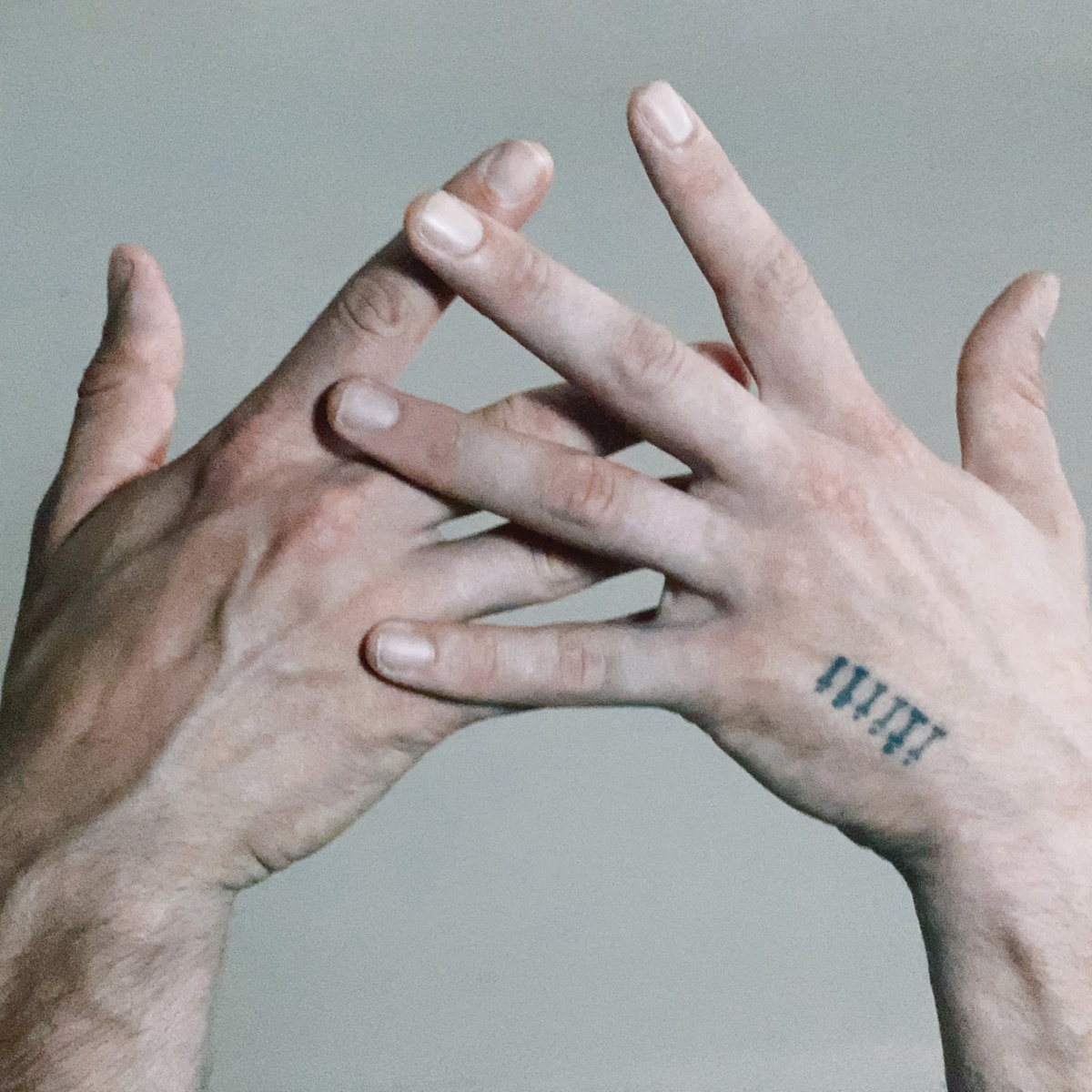



Alabaster DePlume has a unique musical signature that creates a one-of-a-kind atmosphere, merging fluttering jazz saxophones with spoken word. The London-based project is the brainchild of Gus Fairbairn, who has been producing music for over a decade. In expected fashion, DePlume’s latest album is titled A Blade Because A Blade Is Whole, a pedantically correct, yet mildly esoteric statement. The blade is a metaphor for the act of cutting away of old selves and carving out a new identity, while still acknowledging that the act is what makes it whole. It ties to themes of forgiveness and the interplay between individuality and shared humanity. It is acknowledging that you cannot heal fully until you forgive. While it has the potential to cut and divide, the blade is also a symbol of strength and honor. On the blade metaphor, Deplume shares the following:
“A blade, because a blade is whole, it has forgiven itself, and because it will take a small piece of our opposite, for us to be complete. A blade has marked out these former selves on my hand, a blade divides me from the rest of this universe, and marks out myself, makes me one, while I live. A blade. While I forgive myself, and heal, and lead us in healing. We can only forgive each other once we have forgiven ourselves.”
-Alabaster DePlume, on A Blade Because A Blade Is Whole
The album was first conceptualized in the form of a poetry book (“Looking for my value: Prologue to a blade”), and then as an EP prologue titled Prologue to a Blade. The tertiary piece to the concept is the album, A Blade Because A Blade Is Whole, a fully formed meditation on dignity, sovereignty, and the work of healing.
The album kicks off with what feels like a marching drum driving forward a looming saxophone on the first track “Oh My Actual Days.” The meditative beat on this track is followed by somewhat of a heavenly choir, creating an atmosphere for an album that feels like a full undertaking, an anticipated journey. The song swells before returning to its stripped-down roots, utilizing no words except for vocal inflections. Like many DePlume songs, “Thank You My Pain” cuts straight to the chase, throwing us into a stream of consciousness about appreciating pain and its purpose of reminding us of feeling. He sings about the importance of inviting pain in, as this is essential for forgiveness and growth. The vocals in “Invincibility” are more naturally sung, while still holding the comfort of a spoken lullaby. The music video is heartfelt and emotional, and DePlume’s head affixed to a dog’s body gives it that surrealist edge.
“Form A V” draws back the sound again, with DePlume’s wandering vocals guiding us yet again through his stream of consciousness. The term “Form a V” refers to a fundamental jiu-jitsu posture used for controlling an opponent’s center of gravity. DePlume studied jiu-jitsu as part of his healing journey and this song is dedicated to the process of attacking and overcoming a difficult situation. In “A Paper Man” we are reminded that avoidance can result in self-sabotage, much like a paper man lighting a candle. “Who Are You Telling, Gus” is an instrumental revisitation and intermission on the album. The buoyant saxophone wavers, giving us the feeling of self-doubt, while moments of tension are built and released with bursts of rushed playing, putting us into the mind of the wounded. “Prayer For My Sovereign Dignity” continues the instrumentation, featuring a bright piano and more layers backing the saxophone that comes out unitarily with the choir during the last segment of the track.
“Kuzushi” is another jui-jitsu term; the act of unbalancing an opponent’s center of gravity. Similar to track 4, which encompasses the term of controlling the opponent’s balance, this term aims to completely collapse it. “Salty Road Dogs Victory Anthem” has a higher energy and the production features some spacey sounds that seem to propel you forward in time. DePlume draws the sound all the way back in “Too True” which features a rare acoustic guitar and hushed singing. It’s a vulnerable, delicate side that we are scarcely shown in a musical sense.
The final track “That Was My Garden” is a victorious affirmation of self-worth. A reminder that you have to protect who you are. Like a garden, the bearings change with the seasons. Flowers are delicate and beautiful while vegetables are hearty and necessary. Both can coexist within the same garden wall. Seeds can fall outside of the boundaries drawn in your garden and sometimes seeds bear no fruiting. It’s an ever-changing project that requires constant tending to. It’s protecting what is necessary, but understanding that not all plants in the garden will thrive. The beauty of the garden lies in its imperfection and its growth. Just like life and healing, it is a balance of nurturing what matters, letting go of what doesn’t serve you, and embracing the unpredictable nature of it all. In the end, the garden is a reflection of resilience and ability to flourish, no matter the challenges.



Leave a Reply