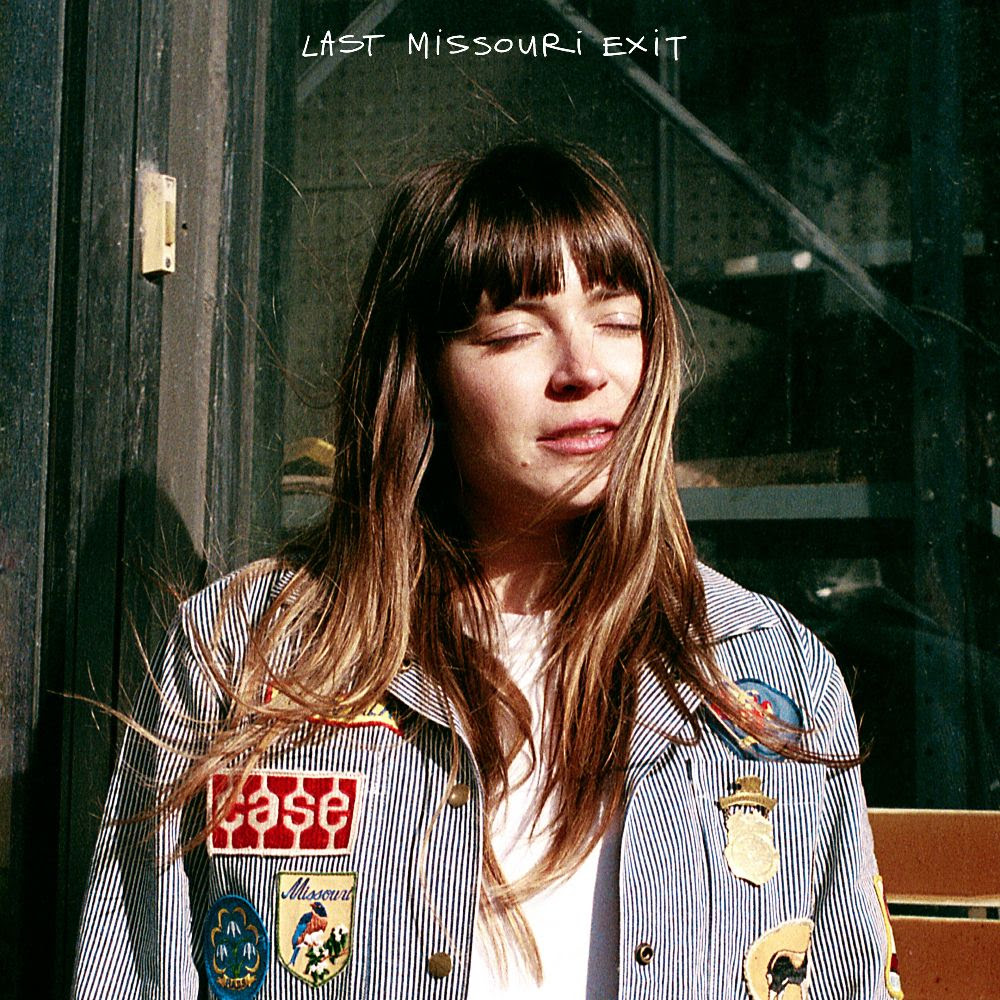



Last Missouri Exit is the debut album from Chicago-based artist Casey Gomez Walker. The project evolved into a full-fledged band in 2018, after years of Walker performing with numerous groups and self-releasing a single under the same moniker. The band now comprises Spencer Tweedy (drums), Max Subar (guitar, pedal steel), Jason Ashworth (bass), Scott Daniel (fiddle), and Nolan Chin (piano, organ), all revolving around Walker’s voice and songwriting. Many of the songs on Last Missouri Exit took shape in a live setting and were tracked over a few hot summer days in a basement studio.
Last Missouri Exit is, at its core, an exploration of coming of age and finding peace in distance from home. It also reflects on balancing loyalty to deeply flawed people with staying true to oneself. Case Oats peppers every song with metaphors, vivid imagery, and personal references that make the music feel intimate and immediate. Her voice, childlike yet raw, carries a sweetness that feels both disarmingly vulnerable and authentic, while her storytelling paints scenes so clearly that they transport you to tender memories and adversities. If the fiddle, organ, and pedal steel fronted by her bandmates isn’t enough of a giveaway, Case Oats and her talented backing band cultivate a sound that teeters between alternative folk and country.
“Buick Door” feels like the perfect introduction to Last Missouri Exit: Walker’s lyricism shines, and her band follows suit. Here, we’re introduced to the album’s central theme of leaving home and comfort, as the song traces the story of two siblings – one of whom (the “prodigal son”) has the will to leave but will eventually return. “Nora” bursts open with Case Oats’ energy, meditating on distance from loved ones. This energy carries into the next track, “Bitter Root Lake,” another upbeat number that chants a different name – Diane. “Kentucky Cave” particularly stands out, packing a full geographical journey of ups, downs, and swells into just three minutes, an impressive feat. “Seventeen” is similar: Case Oats cuts straight to the chase, with layers of instrumentation folding in as the verses progress, yet the track retains soft moments that balance the blunt quirkiness of her singing.
The latter half of the album drives home the themes of leaving home and embracing the ache of missing loved ones. “Wishing Stone” is about deep love and recognizing those paved roads back home. “In a Bungalow” is another callback to appreciating that the feeling of missing home and old friends is only possible through leaving, a simple re-framing to find light in the circumstances. On the other hand, “Hallelujah” offers another re-framing – feeling grateful to have the freedom not to stay home, a weightless relief captured in the chorus: “hallelujah, you’re not his saving grace.”
“Bluff” closes the album on a bittersweet note. Case Oats again leans into her knack for imagery and nostalgic references to personalize the song and make it intimate (“a blueberry kiss”). She captures the essence of a fleeting, emotionally tangled relationship – embracing the push and pull of leaving home while appreciating the insight it has given her. In under 35 minutes, Case Oats steers a journey across state lines and through emotion, memory, and shifting perspectives.



Leave a Reply